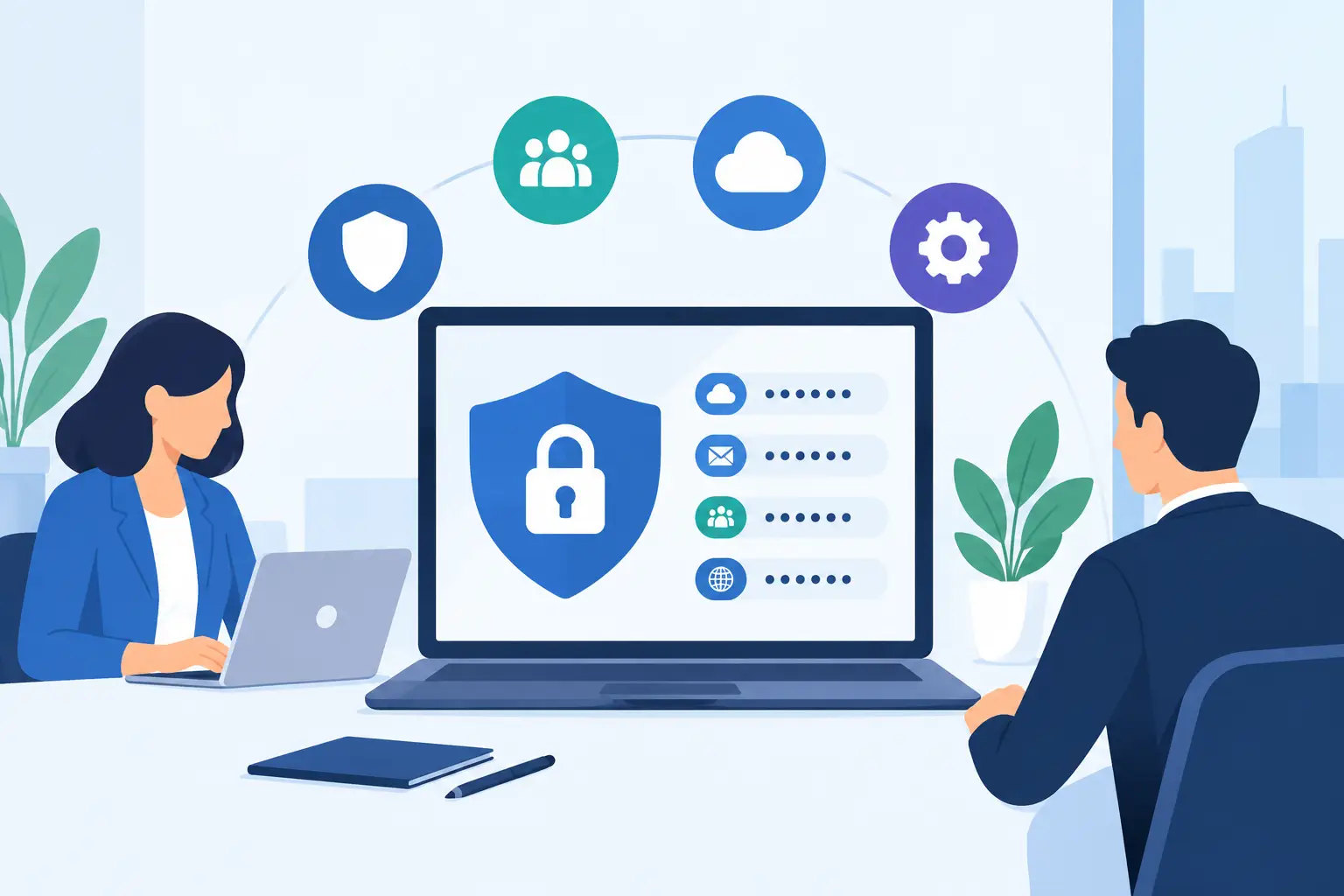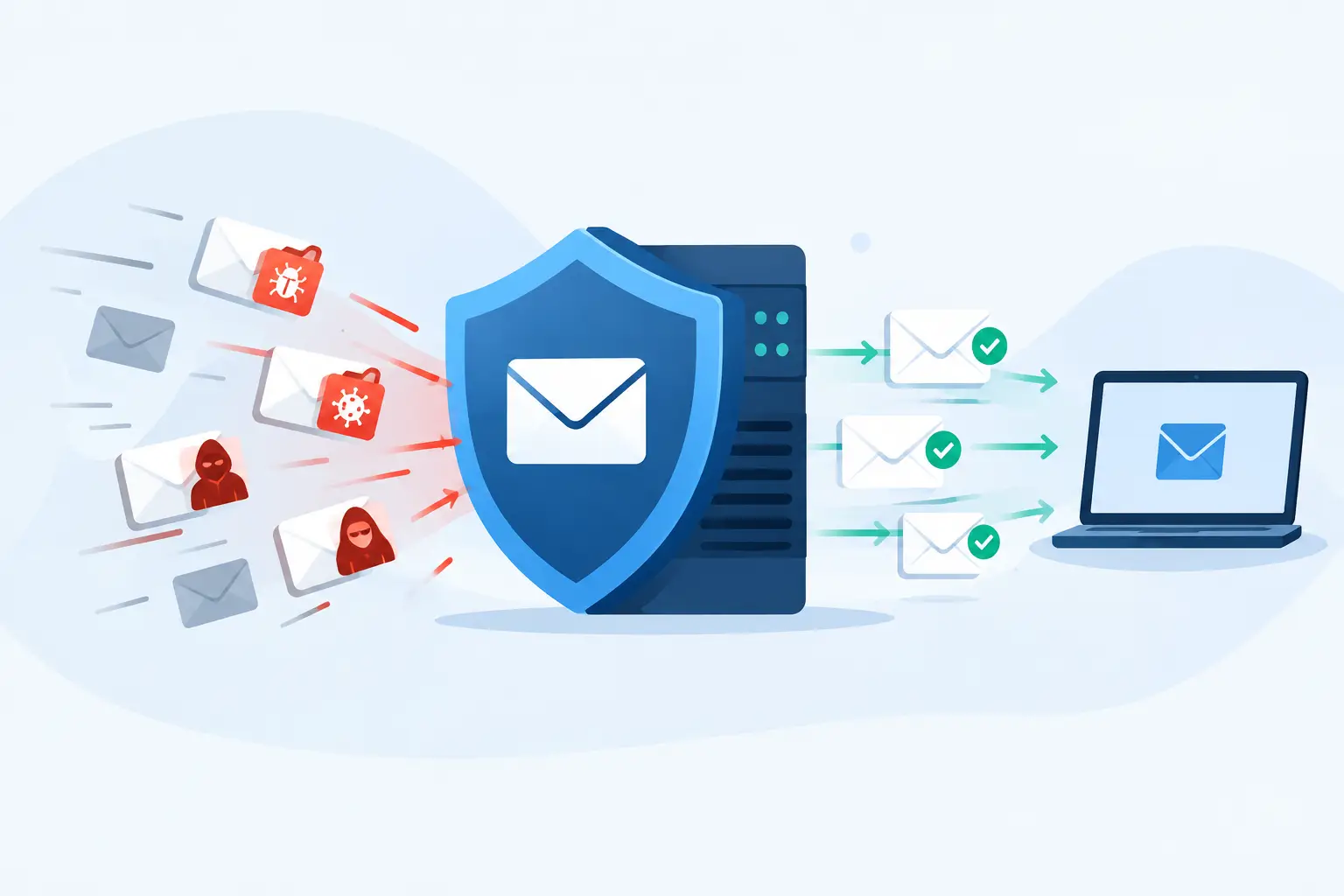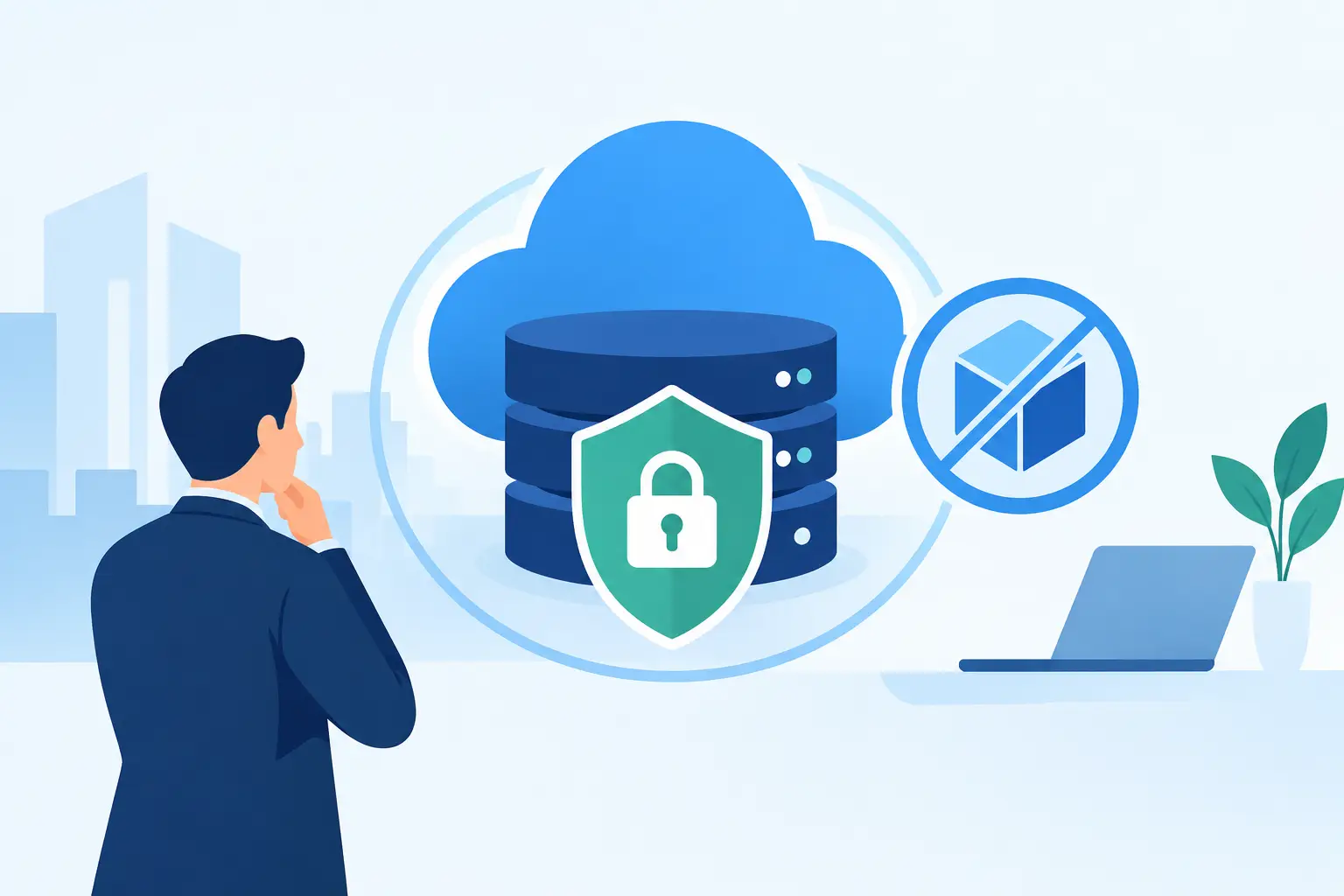
Cybersecurity for medical practices in Atlanta isn’t just about passing an annual HIPAA audit anymore. It’s about keeping your clinic open when ransomware gangs specifically target independent healthcare providers, because they know smaller practices often lack the automated defenses of large hospital systems. Checklists alone won’t cut it. Effective protection means ransomware-specific defenses built around the tight margins and operational pressures of private practice medicine, not generic compliance advice.
We’ve served Metro Atlanta healthcare practices for thirty years with the same dedicated technicians. That gives us a long view of how the local threat landscape has shifted since the 1990s, and it’s taught us something a lot of IT vendors miss: securing patient data isn’t an abstract exercise separate from patient care. It’s the same job.
Why Ransomware Protection for Healthcare Is an Atlanta Priority
Ransomware protection for healthcare used to be a theoretical enterprise risk. Now it’s an immediate operational survival issue for small practices in Buckhead, Decatur, and Woodstock. Attackers target smaller clinics on purpose, because they hold valuable PHI but typically lack the security operations centers that protect major health networks.
The Shift from Enterprise Targets to Local Clinics
Criminal syndicates have automated their targeting to find independent medical offices that process insurance claims and store sensitive records without enterprise-grade monitoring. They know a three-doctor family practice can’t absorb weeks of downtime, so it’s more likely to pay a ransom fast just to get scheduling and billing systems back online. That predatory focus means your practice faces a different threat profile than the large health system down the street. You need defenses sized to your actual infrastructure, not borrowed enterprise policy.
Real Costs of Downtime in Metro Atlanta
When ransomware locks your EHR, the financial bleeding starts immediately: cancelled appointments, delayed claims submission, potential regulatory penalties. Understanding disaster recovery planning costs helps you put a number on that exposure before an attack forces you into desperate decisions under duress.
For many independent practices in our service area, five days of total operational paralysis can threaten solvency, whether or not the data ever comes back. And your patients bear a cost too, when their care continuity breaks over a technical failure that didn’t have to happen.
EHR Security: Locking Down Access Without Slowing Care
EHR security has to balance strict PHI protection with clinical workflow, because controls that are too restrictive get bypassed by staff trying to get care delivered on time. You can’t secure a system your nurses and front-desk team quietly work around during a busy clinic day.
Role-Based Access Controls That Actually Work
Proper role-based access control limits lateral movement during an attack while letting clinicians see exactly what they need, without the friction. We configure these permissions around the actual job functions we observe in your practice, not a generic template that either exposes too much data or gets in the way of real work. Done right, this stops a compromised receptionist account from becoming a gateway to your entire patient database, while keeping charting and prescription workflows moving.
Securing Connected Medical Devices on Your Network
Digital imaging equipment and lab analyzers often run outdated operating systems that can’t be patched, and that leaves persistent holes in your network. Securing them takes network segmentation built around the specific legacy hardware common in Atlanta independent practices, isolating those devices from general office traffic and the internet. Skip that separation, and a single compromised device can become the entry point attackers use to pivot toward your core EHR and patient records.
These devices are essential to how you deliver care today. They also carry a risk profile that standard antivirus software was never built to handle.
PHI Protection IT Strategies Beyond Basic Encryption
Encryption protects data at rest. It does nothing to stop an authorized user, or a compromised credential, from exfiltrating records during ordinary business hours. Real PHI protection means active monitoring and behavioral analysis that catches what encryption can’t see.
Data Loss Prevention for Patient Records
Data loss prevention tools watch outbound traffic and user behavior for the patterns that suggest insider threats or account compromise, like a bulk download at an odd hour. They also catch the accidental kind of leak before it becomes a reportable breach, such as a well-meaning employee emailing a spreadsheet to a personal account to finish work at home. Putting these safeguards in place shows regulators, and your patients, that your approach to privacy goes beyond static encryption into ongoing, active vigilance.
Secure Cloud Migration for Sensitive Health Data
Moving health data to the cloud opens new exposure points if the migration skips HIPAA-specific guardrails and proper access logging. A lot of practices assume the cloud provider handles security automatically. It doesn’t work that way: under the shared responsibility model, you still own configuration, identity management, and data classification. Get the migration wrong and patient records can sit publicly accessible, or improperly segmented, for a long time before anyone notices.
You’re still on the hook for PHI, no matter where it physically lives.
Medical Office Cybersecurity Training That Sticks
A generic annual compliance video does nothing to prepare front-desk staff for phishing attempts built specifically to harvest healthcare credentials. Medical office cybersecurity depends more on culture than curriculum, on staff feeling safe reporting something suspicious right away instead of hiding a mistake out of fear.
Training should target the social engineering tactics actually hitting medical receptionists and billing coordinators in our region right now. We run simulated attacks modeled on real campaigns we’ve seen against Atlanta practices, which gives staff a teachable moment in context instead of an abstract lecture about passwords. When someone learns that reporting a clicked link gets them help instead of blame, they become your best early warning system, better than any technical control alone.
That cultural shift matters more than any single training module or certificate.
HIPAA-Ready Compliance vs. Actual Security Posture
Passing a HIPAA audit confirms your policies exist on paper. It doesn’t prove your practice can survive a determined ransomware attack or an insider threat. Paper compliance and technical resilience are related, but they aren’t the same thing, and confusing them leaves gaps in your actual defense.
Where Checklists Fail During Real Attacks
A checklist confirms a control exists. It rarely tests whether that control holds up under real attack conditions. An auditor might confirm you have documented backup procedures, but only an actual restoration drill tells you whether those backups bring your EHR back inside your recovery time objective. Understanding HIPAA-compliant IT support realities helps you tell apart the vendors who manage paperwork from the ones who engineer real resilience.
Attackers don’t care about your audit score. They exploit the gap between the policy you wrote down and what’s actually running.
Aligning Georgia DCH Standards with Private Practice Needs
Georgia Department of Community Health cybersecurity initiatives focus on identifying and neutralizing digital attacks against health resources at the state level, which sets a baseline expectation for private practices too. These state guidelines overlap with federal HIPAA requirements, but they also reflect regional threat intelligence and infrastructure realities specific to Georgia healthcare providers. Aligning your security program with both means meeting your regulatory obligations while actually addressing the attack surfaces that show up in local independent practices.
State-level guidance recognizes that private practices face different challenges than publicly funded health systems.
Choosing a Local Partner Over National MSP Chains
Cybersecurity for medical practices in Atlanta works best with technicians who know your clinic layout, your staff by name, and your workflow quirks, not a rotating cast of support agents reading from a script. Understanding local IT company versus national MSP differences explains why geographic proximity and a continuous relationship matter for security outcomes in healthcare.
Why Continuity Matters for Clinical IT Support
Technician continuity means the person troubleshooting your EHR issue at 2 PM already knows which workstation talks to which printer and which nurse prefers which workaround. That institutional memory kills the discovery phase that wastes critical minutes during an incident, and it cuts the risk of a well-intentioned fix breaking some adjacent clinical workflow nobody thought to check. National chains rotate staff often, which means your team re-explains the environment every time, with no lasting relationship ever forming between you and whoever holds admin access to your patient data.
Security runs on trust, and trust takes familiarity that only a sustained relationship builds.
Getting Real Technicians Instead of Ticket Queues
When ransomware hits or your EHR goes down, you need a real technician on the phone, not an overseas desk routing you through a tiered escalation queue. We’re family-run, which means the same people who configured your security are the ones answering at 3 AM during a crisis, with full context and the authority to act on it. National providers can’t match that: their frontline staff usually lack both the local knowledge and the decision-making power you need when every minute of downtime costs revenue and patient trust.
Your practice deserves support from people who care about your uptime the way you do.
Next Steps for Securing Your Practice in 2027
Practices in Buckhead and Decatur face infrastructure challenges that look nothing like what a national chain deals with, and that takes an IT partner who understands regional connectivity and the local vendor ecosystem. If you’re ready to find out whether your current defenses actually match the threats hitting independent Atlanta medical offices, schedule a consultation focused specifically on ransomware resilience and EHR security gaps. Our healthcare cybersecurity and compliance services assessment finds the concrete vulnerabilities in your environment, not a list of generic recommendations that have nothing to do with your daily operations.
Frequently Asked Questions
Can cybersecurity actually work in small healthcare practices without slowing down patient care?
Yes, when security controls are designed around clinical workflows rather than imposed generically from enterprise templates. Properly configured role-based access and network segmentation protect PHI while keeping charting and scheduling fluid for staff. The key is partnering with technicians who understand your specific practice operations rather than applying one-size-fits-all policies.
What distinguishes real security posture from basic HIPAA checkbox compliance?
Real security posture involves tested technical controls that function under adversarial conditions, not just documented policies verified during audits. Restoration drills, phishing simulations, and continuous monitoring validate that your defenses actually work when attacked. Compliance confirms paperwork exists; security confirms your practice can survive an incident.
How do connected medical devices affect my practice’s overall cybersecurity risk?
Connected devices like imaging equipment and lab analyzers often run unpatchable legacy operating systems that create persistent network vulnerabilities. Without proper segmentation, these devices can serve as entry points for attackers to reach your EHR and patient records. Isolating them from general office traffic is essential to containing this inherent risk.
Why does technician continuity matter more for medical practices than other businesses?
Medical environments involve complex interdependencies between clinical workflows, specialized hardware, and sensitive data that take months to learn. Rotating support staff lack the institutional memory needed to respond effectively during crises without causing additional disruption. Consistent technicians build trust and contextual knowledge that directly impacts security response quality and patient care continuity.