A law firm laptop left in a car. A shared church computer used for a personal download. A new employee logging into email from an unmanaged phone. These are not exotic security failures. They are ordinary workday events that can expose client data, interrupt operations, and create a long cleanup project for a small organization.
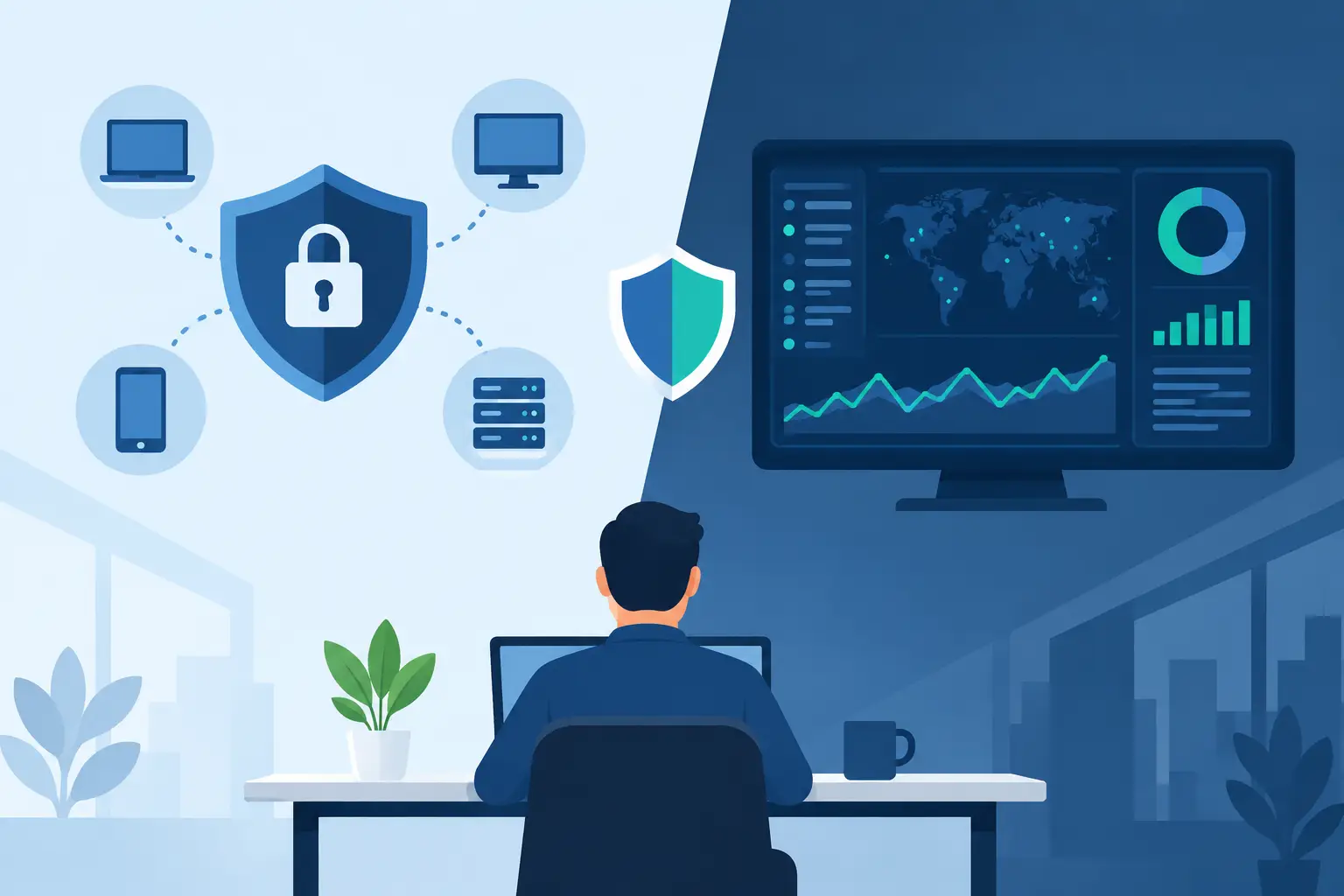
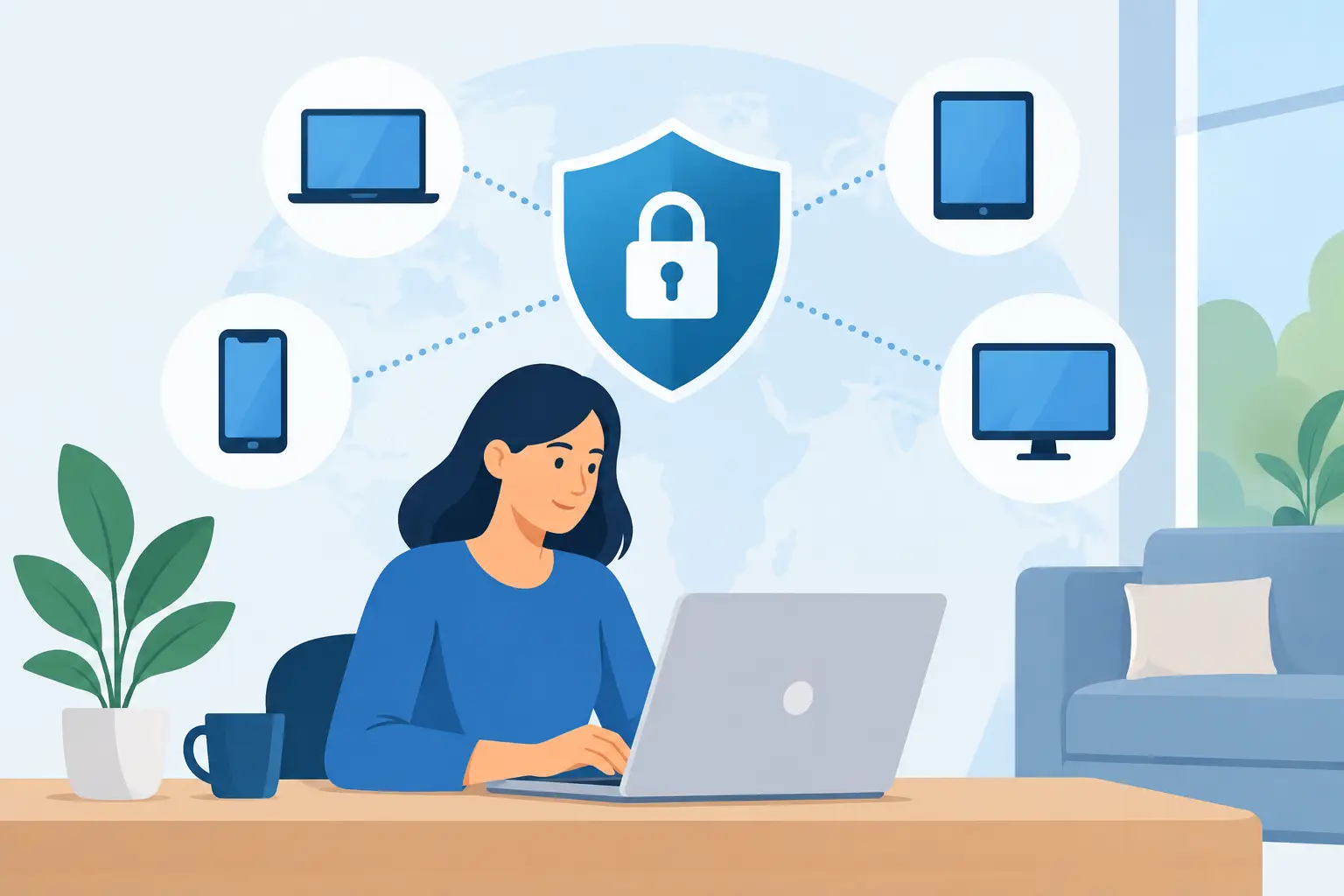
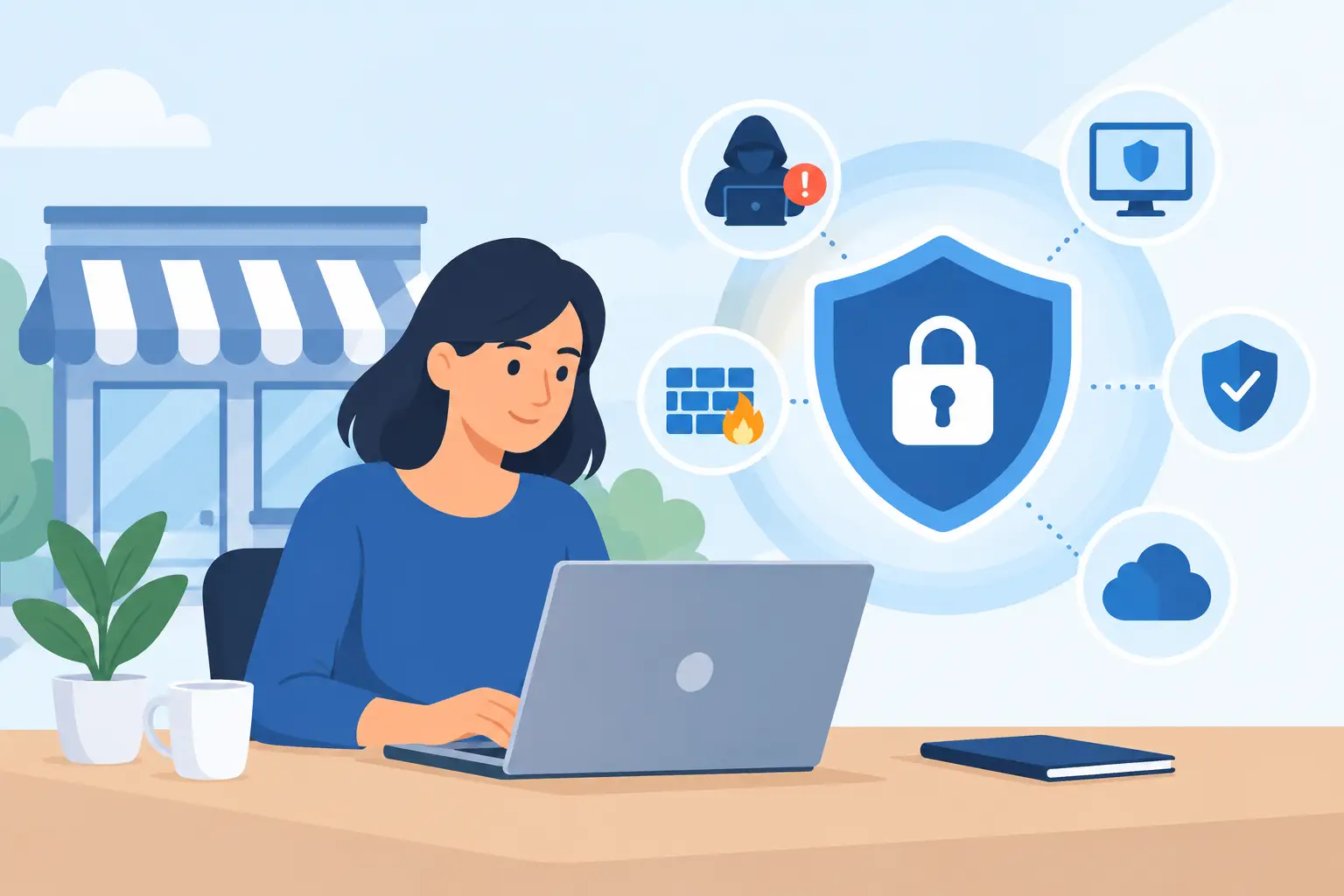
Endpoint security is the protection around the devices people actually use: laptops, desktops, servers, tablets, and mobile phones. For a Metro Atlanta business, nonprofit, practice, or congregation, that protection needs to work without turning every employee into a part-time IT specialist.
The goal is not to buy the product with the most impressive dashboard. The goal is to reduce the chance that one compromised device becomes a business-wide problem - and to know what happened if it does.
Why Endpoint Security Deserves More Attention
Your network perimeter is no longer a locked front door with a few computers safely behind it. Staff work from home, use cloud applications, access email on mobile devices, and carry sensitive information between offices, courtrooms, client sites, and homes. The endpoint has become the place where many attacks begin.
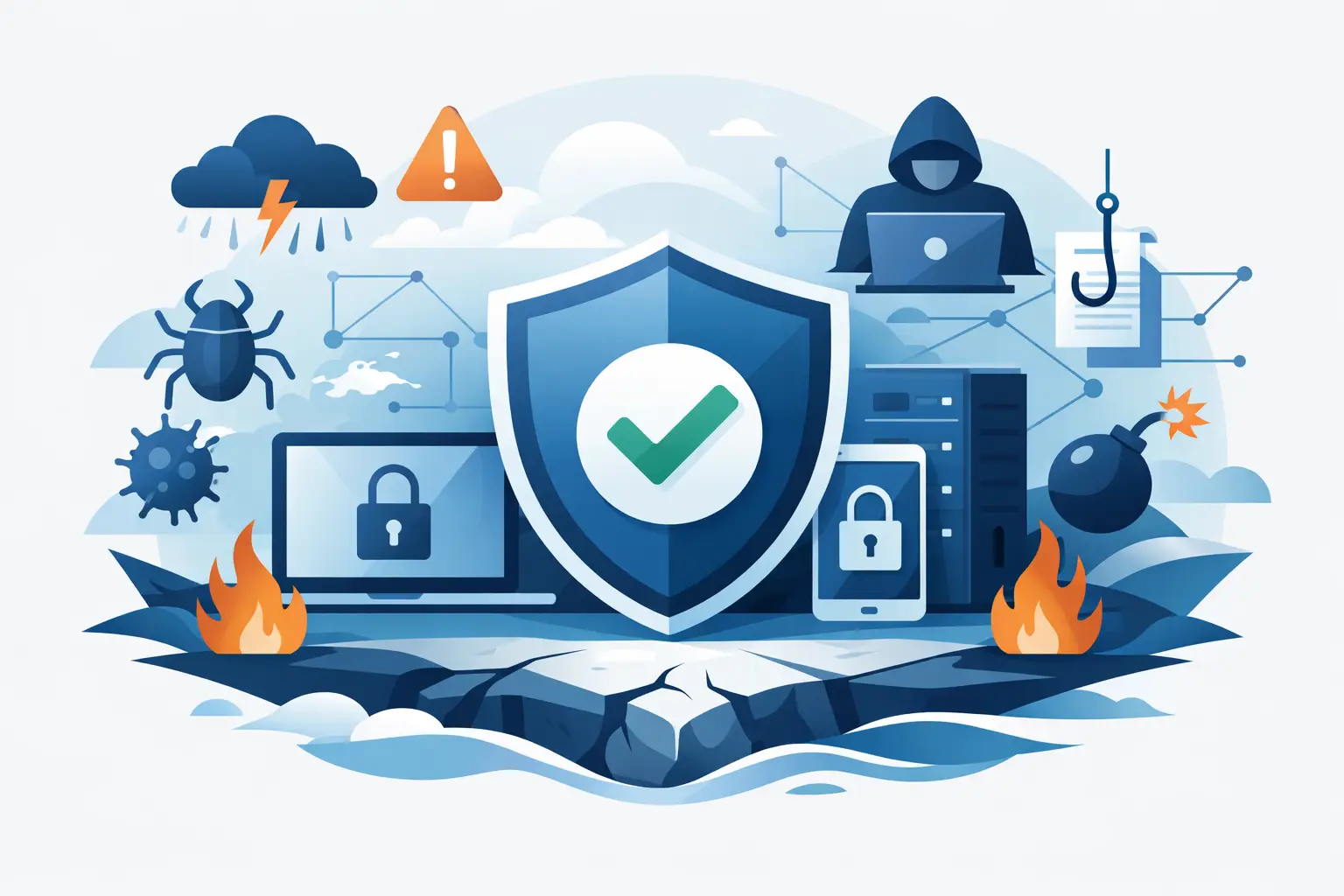
Phishing remains a common entry point. A user clicks a convincing invoice, enters credentials into a fake Microsoft 365 page, or opens a file that runs malicious code. Ransomware, account takeover, unauthorized remote access, and data theft can all start with a single device or user account.
Small and midsize organizations are not ignored by attackers because they are small. They are often targeted because they may have limited internal IT coverage, inconsistent patching, or older systems that have not been reviewed in years. A criminal does not need to know your annual revenue. They need one opening.
For law firms and healthcare-adjacent practices, the stakes are especially clear. Confidential records, client communications, case files, financial data, and protected health information can trigger legal obligations, insurance reporting requirements, and reputational damage. Nonprofits and congregations face a different budget reality, but donor information, payroll, banking access, and community trust deserve the same care.
What Effective Endpoint Security Includes
Endpoint protection is more than antivirus. Traditional antivirus still has a role, but it is not enough on its own. It primarily looks for known malicious files. Modern attacks often rely on stolen credentials, legitimate remote tools, scripts, and behavior that may not resemble an old-fashioned virus.
A practical endpoint security program combines technology, configuration, monitoring, and human follow-through.
Managed detection and response
Modern endpoint detection and response tools watch for suspicious behavior, not just known malware. They can flag unusual sign-in activity, ransomware-like file changes, unauthorized persistence mechanisms, and attempts to disable security controls.
The tool matters, but so does who watches it. An alert at 2:00 a.m. is only useful if someone evaluates it, isolates the affected device when necessary, and follows a documented response process. Otherwise, it is just another red notification in a console nobody has time to check.
Patch management that reaches every device
Operating systems, browsers, office software, firewalls, and common applications all receive security updates because vulnerabilities are discovered constantly. Leaving patches uninstalled gives attackers a known route in.
Patch management is not simply clicking “update all.” Some line-of-business applications, older medical systems, legal software, or specialized hardware require testing and scheduling. The right approach balances security with uptime. Critical vulnerabilities should move quickly, while sensitive updates should be planned, tested, and communicated before they disrupt a workday.
Device encryption and access controls
If a laptop is lost or stolen, full-disk encryption can prevent the person holding it from reading the data inside. This is especially valuable for employees who travel, work remotely, or take devices between locations.
Access controls matter just as much. Users should not have local administrator rights by default. Multifactor authentication should protect email, cloud systems, remote access, and administrative accounts. A compromised standard user account is bad. A compromised administrator account can become an organization-wide emergency.
Backup and recovery that are separate from the endpoint
Endpoint protection lowers risk, but it does not guarantee that every event will be stopped. Hardware fails. Users delete files. Ransomware can still get through. Reliable backups provide a recovery path when prevention is not enough.
Those backups need to be protected from the same incident. If a ransomware attack encrypts the server and the only backup is directly connected to it, recovery may be impossible. Backups should be monitored, retained appropriately, and tested. A backup that has never been restored is an assumption, not a plan.
The Gaps We See Most Often
Organizations rarely decide to ignore security. More often, coverage grows in pieces. One office has a decent antivirus product, another has something different, remote laptops are not consistently managed, and a former employee’s device is still listed somewhere but has not checked in for months.
The most common gaps include unmanaged personal devices, unsupported operating systems, local admin rights, inactive accounts, missing security updates, and endpoint software installed without centralized monitoring. Another frequent issue is treating compliance as proof of security. Meeting a checklist requirement may help demonstrate due care, but it does not automatically mean every device is protected or every alert will receive a response.
Cyber insurance can expose these weak spots quickly. Many carriers now ask whether multifactor authentication is enabled, whether endpoints are protected and monitored, whether backups are tested, and whether privileged access is controlled. It is easier to answer those questions before a renewal deadline or a claim.
A Sensible Way to Improve Endpoint Security
Start with an accurate inventory. You cannot protect devices you do not know exist. Identify company-owned laptops, workstations, servers, mobile devices, remote systems, and accounts with administrative access. Then determine which devices are enrolled in management tools, receiving patches, encrypted, and actively reporting security status.
Next, rank the findings by business risk. An unpatched front-desk workstation with access to billing systems is a higher priority than a retired spare laptop stored in a closet. A shared account used to access confidential files needs attention sooner than a low-risk inconvenience. This is where a thorough assessment beats a generic report full of warnings and no direction.
Then standardize the baseline. That usually means approved endpoint protection, centrally managed patching, encryption for portable devices, multifactor authentication, restricted admin privileges, documented offboarding, and a tested backup process. The exact stack depends on your environment, regulatory obligations, staff size, and existing technology. A 12-person nonprofit should not be sold the same complexity as a 150-user legal practice with multiple offices.
Finally, keep it maintained. New devices appear. Employees leave. Software changes. Threats change. Endpoint security is operational work, not a one-time project completed after a software installation. Someone needs to review alerts, verify patch status, follow up on devices that fall out of compliance, and call before a small exception turns into a bigger issue.
When Internal IT Needs Backup
An internal IT manager may be fully capable of handling endpoint security and still need support. There is a difference between deploying a security tool and having enough time to watch alerts, document processes, manage patch exceptions, support users, prepare for audits, and respond during an incident.
This is where a managed services partner can provide useful capacity without replacing internal knowledge. At 404 Network Ninjas, the work starts with understanding the actual environment: what devices exist, who uses them, where the sensitive data lives, and what would interrupt the organization most. From there, security fixes can be documented, prioritized, and managed without corporate runaround or a distant ticket queue.
The best endpoint security program is not the one with the longest feature list. It is the one your organization can operate consistently, recover from when needed, and explain with confidence when a client, insurer, auditor, or board member asks a simple question: are our devices protected?