A 2:00 a.m. security alert is not a security program. If nobody can determine whether it is a false alarm, contain a compromised device, and tell leadership what happened, it is just another problem waiting for business hours. That is the practical difference behind MDR versus SIEM services - and why small and midsize organizations should look beyond product names before signing a contract.
For a Metro Atlanta law firm, medical practice, nonprofit, or growing business, the question is rarely which acronym sounds more advanced. The real question is who is watching the environment, who can act when something looks wrong, and whether the service fits the people and budget you actually have.
MDR versus SIEM services: the plain-English difference
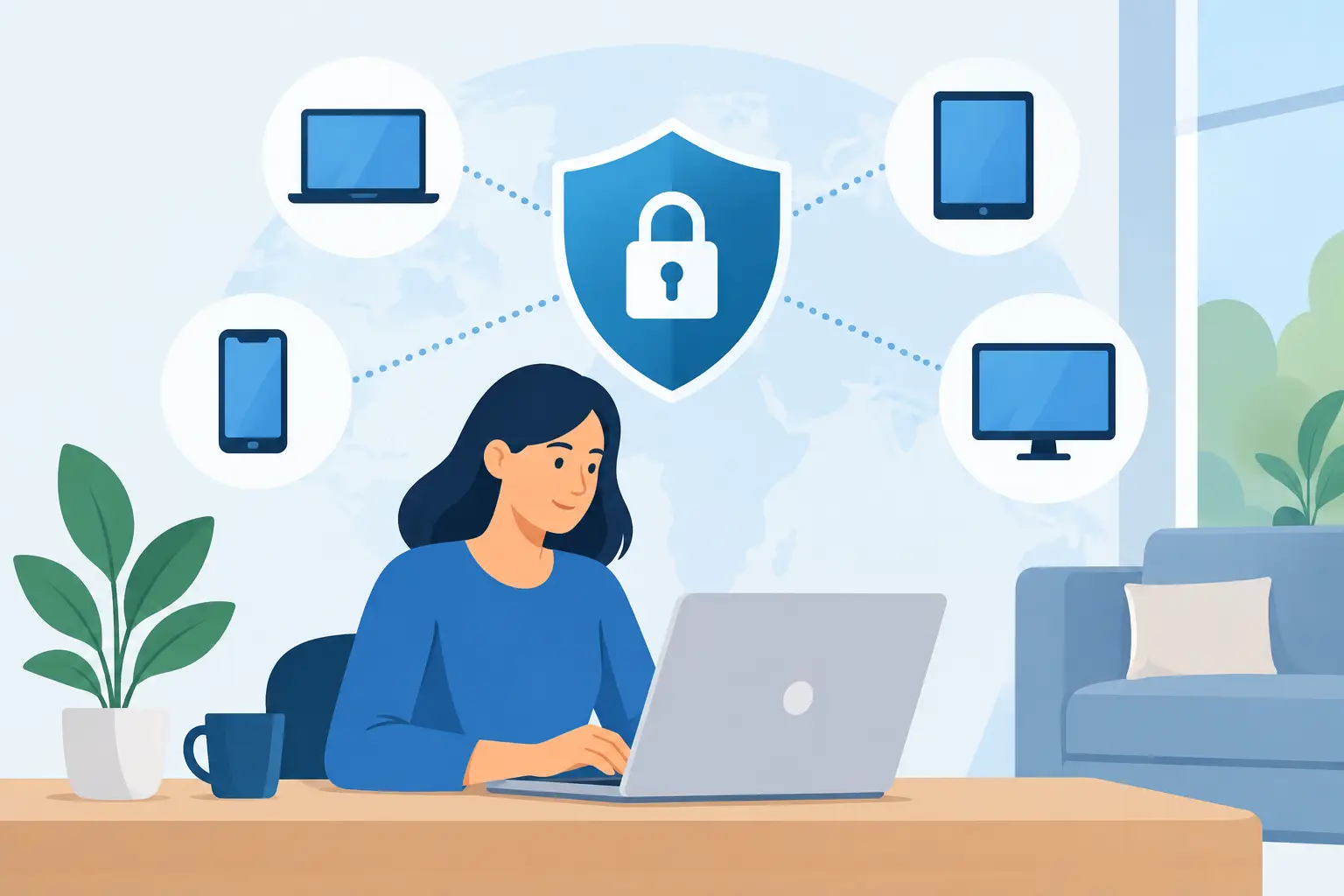
A SIEM, or Security Information and Event Management platform, gathers security logs from systems such as firewalls, Microsoft 365, servers, cloud applications, and endpoints. It centralizes that information so an analyst can search it, correlate events, set alerts, investigate activity, and retain evidence for audits or incident review.
Think of a SIEM as a security information hub. Properly configured, it can answer useful questions: Did someone sign in from an unusual location? Did a privileged account create new users? Did a firewall block a pattern of suspicious traffic? Are logs being retained as required for a compliance obligation?
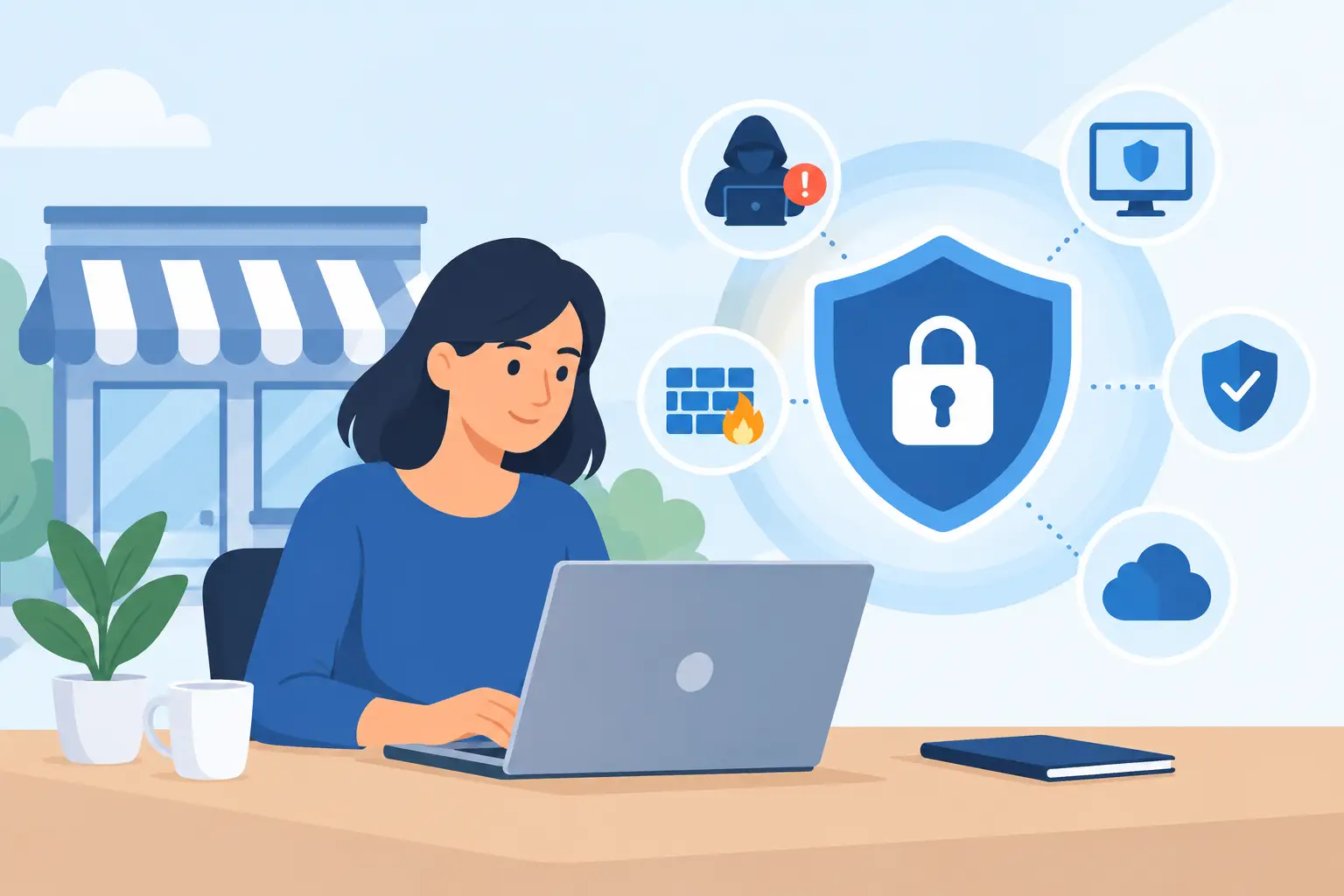
MDR, or Managed Detection and Response, is a service. An MDR provider typically monitors endpoint, identity, network, and cloud signals using its own security tools and analyst team. When it finds a credible threat, the provider investigates it and, depending on the agreement, can isolate a device, stop a malicious process, disable an account, or guide your team through the next steps.
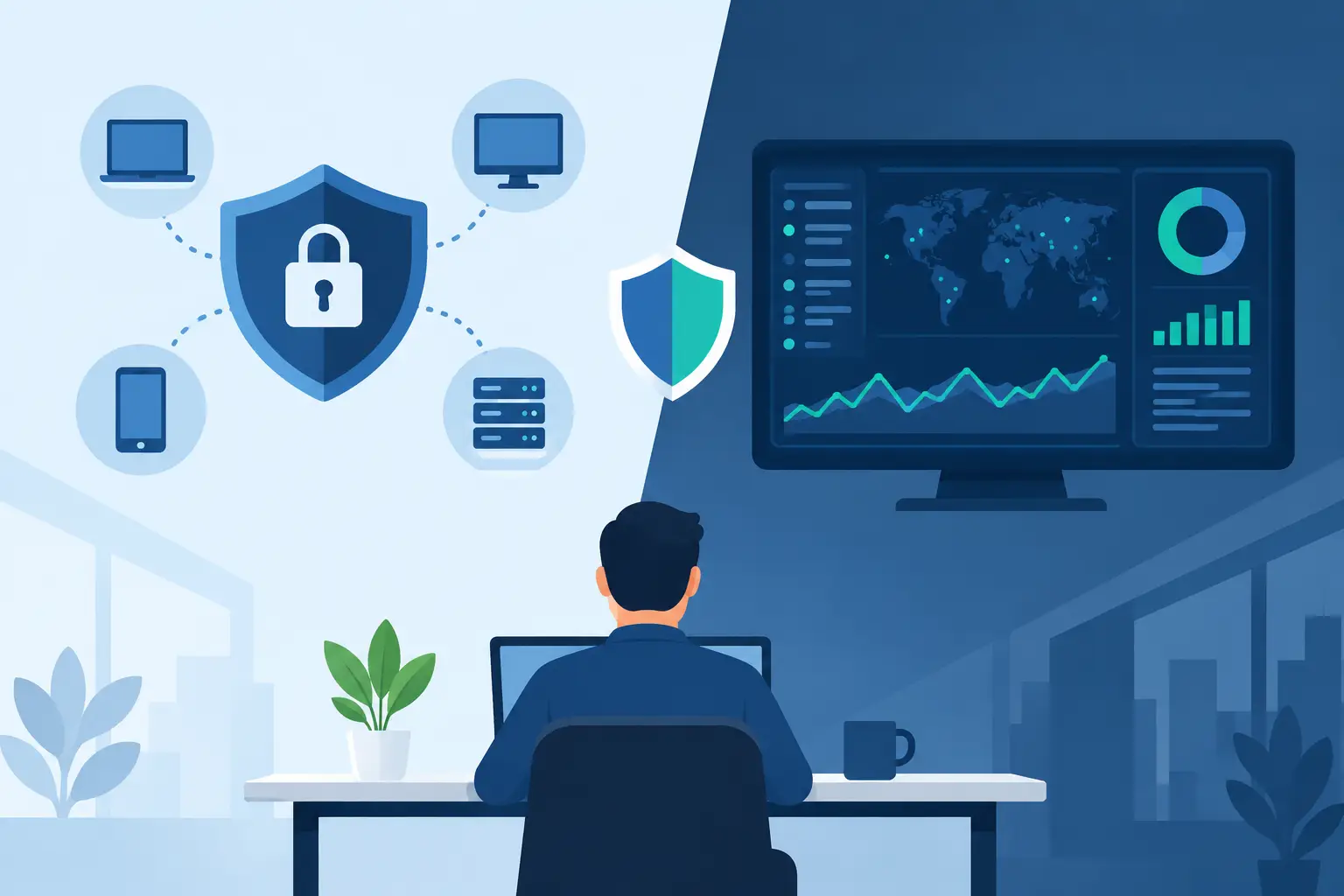
The distinction matters because a SIEM often gives your organization more data and flexibility. MDR gives you people and a response process. Some providers use a SIEM as part of their MDR operation, and many vendors sell managed SIEM services that add monitoring to the platform. The labels overlap. The responsibilities in the contract should not.
A SIEM is valuable when you have a reason to use the data
A SIEM can be the right choice for organizations with an internal security team, a mature IT department, or a specific compliance requirement that calls for centralized logging, long-term retention, and detailed reporting. A larger organization may need to correlate events across several cloud platforms, business applications, offices, and security products.
For example, a firm preparing for an audit may need evidence that it monitors access, reviews administrative activity, and retains logs for a defined period. A SIEM can support that work, provided the required data sources are connected and someone is responsible for reviewing what the system reports.
That last part is where many deployments go sideways. Buying a SIEM without planning for ownership is like installing cameras throughout an office and never checking the recordings. The platform may collect valuable evidence, but it does not automatically know which alerts are meaningful in your environment, which users have legitimate reasons to work odd hours, or which event requires urgent action.
SIEM projects also require tuning. Out-of-the-box rules can produce a noisy stream of alerts. Analysts must adjust detections, maintain log integrations, investigate suspicious activity, and document response procedures. If your internal IT lead is already handling help desk tickets, vendor calls, new employee setups, patching, and executive requests, asking that person to operate a security operations center after hours is usually not realistic.
MDR is built for organizations that need eyes and action
MDR is often a better operational fit for a small or midsize business because it is designed to fill the monitoring and response gap. Instead of handing your team a dashboard and a pile of alerts, the service should provide trained analysts who validate suspicious behavior and escalate credible threats with clear guidance.
A good MDR service does not eliminate every risk. No provider can promise that. What it should do is shorten the time between suspicious activity and a useful response. That matters when a stolen password is used to access email, a user clicks a convincing invoice attachment, or ransomware begins moving from one device to another.
Before selecting MDR, ask what the provider actually monitors. Endpoint coverage alone is helpful, but many serious incidents begin with identity compromise in email or cloud accounts. Ask whether the service watches Microsoft 365 or Google Workspace activity, identity sign-ins, network devices, servers, and cloud workloads where applicable.
Then ask the question that is easy to avoid during a sales call: what happens at 2:00 a.m.? Some services send an alert and expect your contact to decide what to do. Others investigate first and can isolate an endpoint or disable a suspicious account under agreed-upon procedures. Those are very different levels of protection, even if both are described as 24/7 monitoring.
The trade-off is control versus operational capacity
The choice is not that SIEM equals good and MDR equals better. It depends on what your organization needs to accomplish and who can carry the work.
A SIEM can offer broader visibility, more customizable reporting, and stronger support for complex log-management requirements. It may be the better foundation when internal analysts need to hunt threats, investigate cases, and build detections tailored to a sophisticated environment. It can also support legal, forensic, and compliance needs that require extensive records.
MDR generally reduces the staffing burden and speeds up practical threat triage. For businesses without dedicated security analysts, that is often the deciding factor. The trade-off is that you may have less direct control over the tools, data model, and investigative workflow than you would with a SIEM your team operates itself.
Managed SIEM services sit between the two. They can provide centralized logging plus external monitoring, but the service scope varies widely. One provider may review alerts during business hours; another may provide continuous monitoring but leave containment to your staff. Do not assume “managed” means someone will take action during an incident.
Questions that expose the real service level
A provider should be able to answer these questions plainly, without hiding behind a product demo:
- Which systems, accounts, and locations are monitored, and which are excluded?
- Who investigates alerts, and are analysts available around the clock?
- Can the provider isolate a device, disable an account, or block activity without waiting for approval?
- How are false positives handled, and what does an escalation to our team look like?
- What reports will we receive for leadership, cyber insurance, HIPAA-related safeguards, or other compliance needs?
- Who owns the collected log data, and how long is it retained?
The answers reveal whether you are buying software, a monitoring service, an incident-response partner, or some combination of the three. They also help identify hidden work that may land on your internal staff after the contract begins.
Build the decision around your risk, not the vendor category
Start with the systems that would cause the most damage if compromised. For a law firm, that may include email, document management, remote access, and client file shares. For a healthcare-adjacent practice, patient-related systems, identity controls, and reliable audit trails may be central. A nonprofit may need to protect donor information while operating with a lean staff and limited tolerance for surprise costs.
Next, be honest about response capacity. If your team cannot investigate a high-priority alert at night or on a weekend, a SIEM alone is unlikely to solve the problem. If you have an experienced internal security function and demanding reporting requirements, MDR alone may not provide the depth of visibility you need.
For many organizations, the answer is layered: MDR for 24/7 detection and response, paired with the right log collection and retention for compliance and investigation. The toolset matters, but clear ownership matters more. 404 Network Ninjas approaches that conversation by assessing the environment first, documenting the highest-risk gaps, and assigning responsibility before an alert turns into an outage.
Ask a prospective provider to walk through a realistic incident in your environment, from the first suspicious sign-in to the call your leadership receives. If the explanation is clear, specific, and accountable, you are closer to a service that will help when it counts.