A suspicious login at 2:13 a.m. is not automatically a breach. It might be an employee traveling, a cloud application behaving oddly, or an attacker testing stolen credentials. The problem is that someone has to tell the difference before a small alert becomes a locked file server, a fraudulent payment, or a call to your insurance carrier. That is what is managed detection: a security service that watches for threats, investigates the signals, and helps contain real incidents.
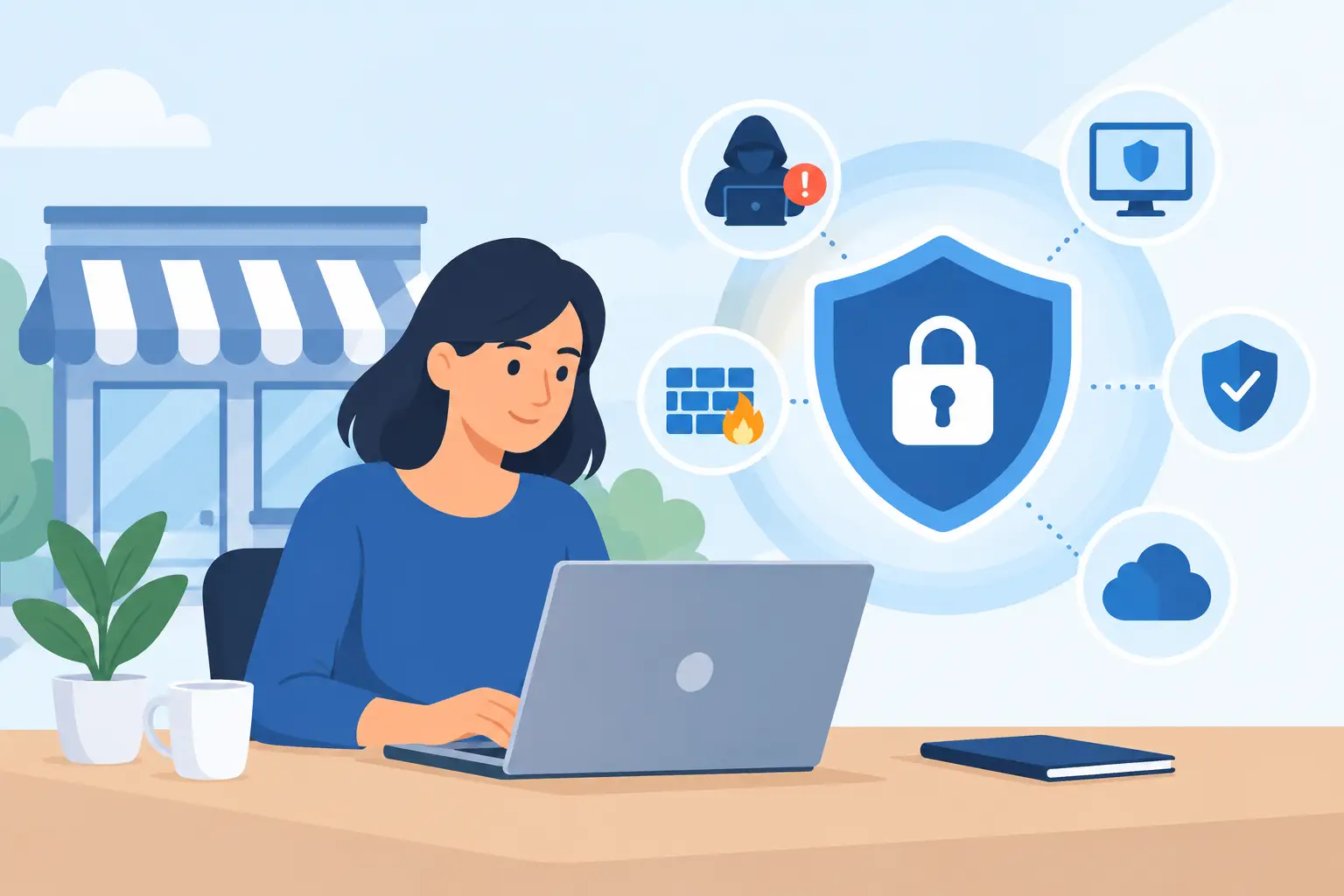
For small and midsize organizations, managed detection is less about buying another dashboard and more about having trained people paying attention when your staff cannot. A law firm protecting client files, a medical-adjacent practice handling sensitive records, or a nonprofit relying on a lean office team may all have antivirus installed. That alone does not mean someone will recognize a coordinated attack early enough to stop it.
What Is Managed Detection and Response?
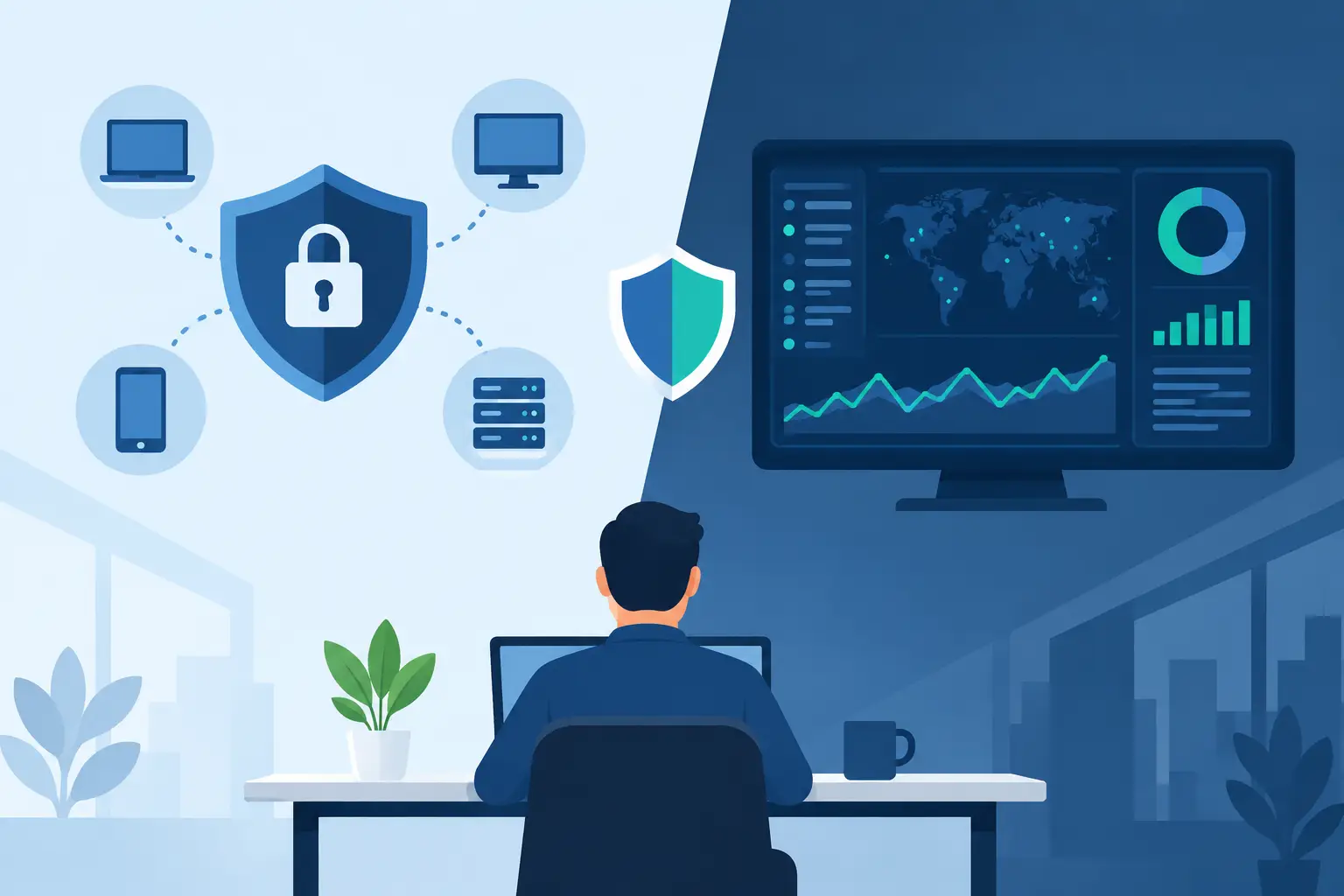
Managed detection and response, usually called MDR, combines security technology with a team of analysts who monitor activity and act on credible threats. The technology collects signals from sources such as employee computers, servers, cloud accounts, email systems, firewalls, and identity platforms. Analysts then review those signals in context.
That context is the point. A security tool can flag an impossible travel login, a new administrator account, or a laptop running an unusual script. It cannot always know whether the event is harmless, a configuration mistake, or the first stage of an attack. A managed detection provider investigates the evidence, filters out routine noise, and escalates what needs attention.
Depending on the service and your agreed response plan, the provider may isolate an infected device, disable a compromised account, block a malicious connection, or call your designated contact with clear next steps. Good MDR is not a monthly report full of unread alerts. It is an operating process for finding and reducing active risk.
Why Basic Security Tools Are Not Enough
Most businesses already have some defensive tools: antivirus, spam filtering, multifactor authentication, firewall protection, and backups. They should. But these controls do different jobs, and none guarantees that a person is actively investigating suspicious behavior around the clock.
Endpoint detection and response, or EDR, is software installed on computers and servers. It records activity and can detect suspicious behavior, such as ransomware trying to encrypt files or a malicious process attempting to disable protections. EDR is useful technology, but it is not automatically a staffed security operation. Without monitoring, alerts can sit until the next business day or get lost among false positives.
A security information and event management platform, often called a SIEM, gathers logs from many systems. It can provide broad visibility, especially for organizations with internal security staff and formal compliance needs. It also requires tuning, log management, and people who know how to interpret what they see. For many smaller organizations, purchasing a SIEM without a team to run it is like installing a fire alarm panel and assigning no one to answer when it rings.
MDR typically uses EDR and may use SIEM data, cloud logs, identity monitoring, and network telemetry. The distinction is the managed human function: detection, investigation, prioritization, and response. Technology finds signals. People determine whether those signals represent a real problem and what to do next.
What Managed Detection Looks Like During an Incident
Consider a common scenario. An employee enters Microsoft 365 credentials into a convincing fake login page. An attacker signs in from an unfamiliar location, creates an inbox rule to hide replies, and begins searching for payment conversations. No ransomware appears. No computer necessarily crashes. Yet the business may be one fraudulent wire transfer away from a serious loss.
A managed detection service can correlate unusual sign-in activity, suspicious mailbox-rule creation, and other changes that do not fit the user’s normal pattern. An analyst reviews the evidence and follows the response plan. That may mean disabling the account, revoking active sessions, removing the mailbox rule, preserving evidence, and notifying the right people before the attacker can move further.
The same principle applies to ransomware. Early warning signs can include unusual file activity, remote access tools used in an unexpected way, privilege escalation, or attempts to delete backups. Fast containment matters because attackers do not need to compromise every device to disrupt operations. They only need to reach the systems your organization cannot work without.
Response quality depends on preparation. Your provider should know who has authority to approve an account shutdown, which systems are critical, how to reach leadership after hours, and whether a device can be isolated without stopping patient care, legal deadlines, or essential operations. A vague promise to “respond quickly” is not enough when a real decision has to be made at night.
What MDR Does Not Replace
Managed detection is valuable, but it is not a substitute for the rest of a sensible security program. It will not fix unpatched servers, weak passwords, excessive user permissions, unsupported software, or backups that have never been tested. It also cannot eliminate the judgment calls that follow a serious event, including client notification, legal counsel involvement, insurance reporting, and business recovery decisions.
For regulated organizations, MDR is one part of a larger control structure. Healthcare-adjacent practices may need documented risk analysis and access controls. Law firms need to protect confidential client information and meet the cybersecurity expectations of clients and malpractice carriers. Nonprofits and congregations need practical safeguards that respect limited budgets without treating sensitive donor, employee, or member data casually.
The best results come when monitoring is paired with patch management, identity protection, security awareness training, tested backups, documented incident-response procedures, and regular risk reviews. That is less exciting than a flashy security product pitch. It is also how organizations reduce the chance that one bad click becomes a business interruption.
When Managed Detection Makes Sense
MDR is especially worth considering when your organization has more systems, more remote access, more cloud services, or more compliance pressure than one person can reasonably watch. It can also make sense after a key IT employee leaves, after a phishing incident exposes gaps, or when an insurer asks tougher questions about your security controls.
It may be less urgent for a very small organization with minimal data, few endpoints, and no remote access. Even then, basic protections and a clear support plan remain necessary. The question is not whether your organization is too small to be targeted. Attackers routinely go after smaller businesses because defenses and response capacity are often thinner.
Before choosing a provider, ask practical questions. What systems are monitored? Is monitoring truly 24/7, or are alerts only reviewed during business hours? Who investigates alerts, and where are they located? What can the provider contain without waiting for approval? How are after-hours contacts handled? Will you receive plain-language incident updates, or a stream of tickets that leaves your team to interpret the threat?
Also ask how the service connects to your existing IT support. Security monitoring works better when the people responding understand your network, your line-of-business applications, your backup process, and the operational cost of taking a system offline. A distant security desk may identify a threat accurately but still need local technical help to contain it safely.
The Value Is Faster, Better Decisions
The practical value of managed detection is not that it makes risk disappear. No provider can promise that. Its value is reducing the time between suspicious activity and an informed decision. That can limit the number of accounts affected, the amount of data exposed, the downtime your staff experiences, and the cost of recovery.
At 404 Network Ninjas, that same principle fits the larger approach to managed IT: understand the environment first, document the risks, fix what matters, and pick up the phone when action is needed. Security should not feel like a distant portal full of alerts. It should give your organization a clear path when something does not look right.
If you are evaluating managed detection, start by mapping the systems that would hurt most to lose and the people who need to act when an alert is real. That conversation will tell you far more about your readiness than any cybersecurity buzzword ever will.