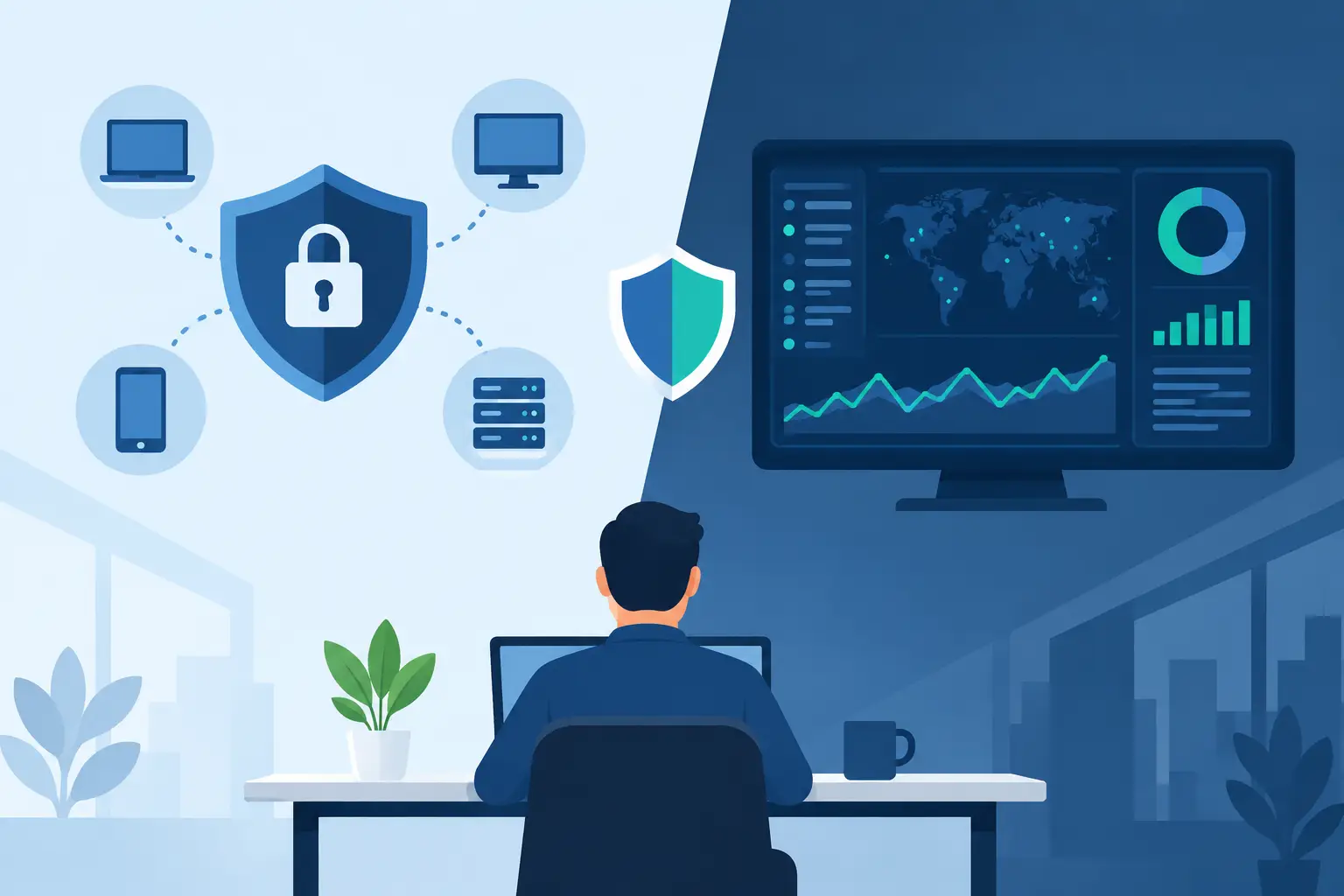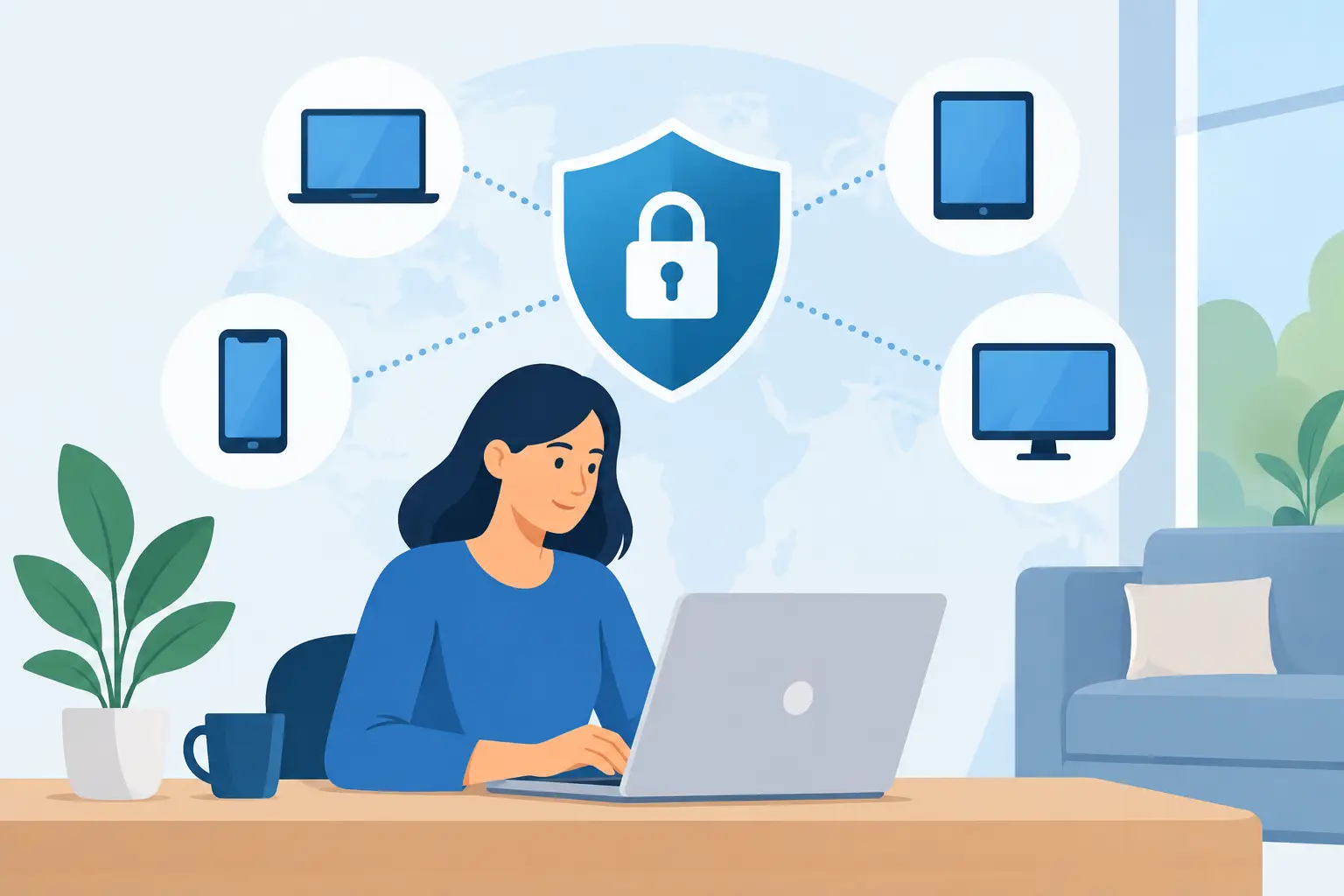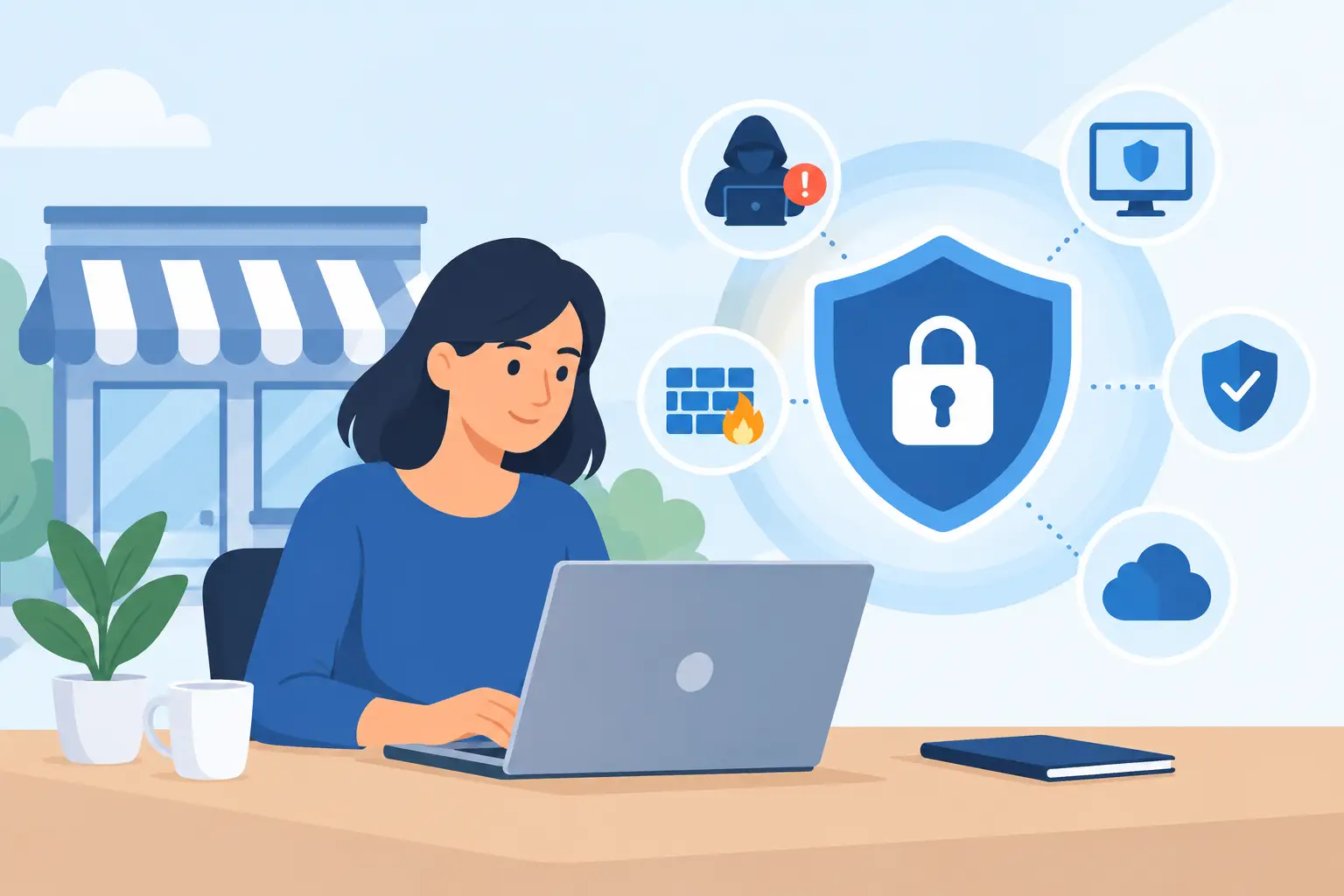
A client’s confidential file rarely leaves the building in a dramatic movie-style breach. More often, it is forwarded to the wrong address, opened through a former employee’s account, exposed by an unpatched laptop, or copied into a personal cloud folder because someone needed to work from home. Knowing how to protect client confidentiality means closing those ordinary gaps before they become a call to a client, insurer, regulator, or attorney.
For Metro Atlanta law firms, healthcare-adjacent practices, nonprofits, and growing businesses, confidentiality is not a policy binder on a shelf. It is a daily operating requirement. Clients trust you with names, financial details, legal matters, health information, donor records, and plans that should not be public. Your technology needs to honor that trust without making legitimate work impossible.
Client confidentiality is an operational issue
Most confidentiality failures are not caused by a single careless person. They happen when an organization has unclear access rules, scattered files, shared passwords, aging devices, or no reliable way to tell who accessed what. A well-written confidentiality agreement cannot fix any of those problems.
Start by identifying the information that would cause real harm if exposed. For a law firm, that may include case files, discovery materials, trust-account records, and attorney-client communications. For a medical practice, it may include protected health information. A nonprofit may need to safeguard donor details, grant documentation, and employee records.
Then ask a plain question: where does that information actually live? The answer is usually more complicated than expected. It may be in email inboxes, document management platforms, accounting software, scanned PDFs, mobile phones, cloud storage, backup systems, and a former employee’s old laptop. You cannot protect information you have not located.
This review should also identify who needs access, who merely has access because it was convenient, and which outside vendors can reach your systems. The goal is not to create a permission maze. It is to make access intentional and traceable.
How to protect client confidentiality with access controls
The simplest rule is also one of the most effective: people should have access only to the information needed for their job. An intake coordinator may need client contact details but not every matter file. A temporary employee may need a specific application for a defined period, not a permanent account with broad network access.
That principle is called least privilege. The name is technical, but the practice is straightforward. Set permissions by role, review them regularly, and remove access promptly when someone changes jobs or leaves the organization.
Multi-factor authentication should be standard for email, remote access, cloud applications, administrative accounts, and any system containing sensitive records. A stolen password should not be enough to open a client file. Password managers also help eliminate the dangerous habit of reusing passwords or keeping them in spreadsheets, notebooks, and sticky notes.
Shared accounts deserve special attention. They make offboarding difficult and accountability nearly impossible. If five people use one login, you cannot reliably determine who viewed, changed, or sent a document. Give staff individual accounts, even when a shared mailbox or shared application function is necessary.
A practical access review should cover at least these areas:
- User accounts for current employees, contractors, and temporary staff
- Administrator rights on computers, servers, cloud platforms, and phone systems
- Shared folders, matter workspaces, and cloud-storage permissions
- Vendor and remote-support access, including when it expires
- Former employee accounts, email forwarding, mobile devices, and recovery methods
This work is not glamorous, but it is where a large share of preventable exposure gets stopped.
Secure the ways information moves
Sensitive information is most vulnerable when it moves between people, devices, and systems. Email is still the biggest example. A sender can type one wrong character into an address, attach the wrong document, or reply to a forged message that looks like it came from a client or colleague.
Staff need clear guidance for handling sensitive messages. That may include using secure portals for highly confidential documents, confirming recipient addresses before sending, avoiding personal email accounts, and treating unexpected payment or account-change requests as suspicious. The right approach depends on the sensitivity of the data and the tools already in place. Not every routine message needs special encryption, but files containing legal, financial, or health details often require more care than a standard email attachment.
Secure file-sharing platforms are usually safer than sending large collections of documents by email. They can limit access, require authentication, record activity, and allow access to be removed later. Those controls are useful only if employees know when to use them and the platform is configured correctly.
Mobile devices matter here, too. A phone used for work email is a potential doorway into client information. Require screen locks, device encryption, current operating systems, and the ability to remove business data if a device is lost or an employee departs. A bring-your-own-device policy can work, but it needs real technical enforcement, not just a signature in an employee handbook.
Keep the underlying technology from becoming the weak point
Confidentiality depends on availability and integrity as well as secrecy. If ransomware encrypts a firm’s client files, or a failed server wipes out records needed for a deadline, the organization may be unable to serve clients even if no data is publicly released.
That is why patching, endpoint protection, monitored backups, and tested recovery procedures belong in a confidentiality program. Unsupported computers and neglected network equipment are not just reliability problems. They are easier for attackers to compromise.
Backups need protection of their own. A backup connected permanently to the same environment can be damaged during an attack. Keep protected copies separate from the primary network, restrict who can alter or delete them, and test restoration on a schedule. A backup that has never been restored is a theory, not a recovery plan.
Logging also matters. When a concern arises, you need to know whether a mailbox was accessed, a file was shared externally, or an unfamiliar device signed in. Retaining useful logs gives your team a chance to investigate facts rather than guess under pressure.
Train people for the decisions they actually make
Annual compliance training alone does not protect confidentiality. Employees need short, repeatable guidance connected to real situations: a convincing fake invoice, a client emailing a password, a request to send records to a new address, or a coworker asking for access “just for today.”
Training should make reporting easy. Staff should not worry that admitting a mistake will create embarrassment or punishment. If someone sends a document to the wrong recipient, clicks a suspicious link, or loses a device, early reporting gives the organization options. Waiting until the problem becomes obvious usually makes it worse.
Managers should reinforce that confidentiality includes conversations. Discussing a client matter in a restaurant, leaving printed files in a conference room, or displaying sensitive information during an unsecured video call can create exposure without any hacker involved. Physical safeguards still count: clean-desk practices, secure printing, locked file storage, and visitor controls remain relevant.
Prepare for a mistake before it happens
Even disciplined organizations have incidents. What separates a contained mistake from a damaging breach is the response. Establish who employees contact first, who can disable an account, who communicates with leadership and clients, and when legal counsel, cyber insurance, or regulatory reporting may be needed.
Document these decisions before an incident. During a ransomware event or suspected email compromise, people are busy, stressed, and working with incomplete information. A tested response plan prevents the familiar problem of everyone assuming someone else is handling it.
For many small and midsize organizations, the challenge is not knowing what good security looks like. It is having the time and technical coverage to maintain it. A local managed IT partner can review access, monitor systems, test backups, document gaps, and answer the phone when an employee spots something wrong. That practical follow-through is what 404 Network Ninjas is built to provide.
Client confidentiality is protected in the unremarkable moments: when an account is removed on an employee’s last day, when a patch is installed before it is exploited, and when someone pauses before sending a sensitive file. Build those habits into your systems, and trust has a much better chance of surviving a busy workday.